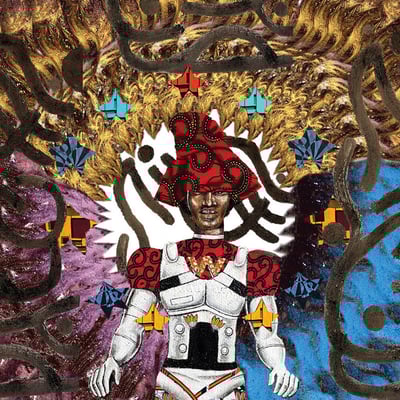
WITCH SOGOLO
Released Jun 13, 2025 Desert Daze Sound
Consensus forming 4 professional reviews Updated Nov 29, 2025
Broadly positive consensus
Consensus is still forming across 4 professional reviews. WITCH's SOGOLO returns with a celebratory roar that stakes a claim for the band's modern renaissance, and critics largely agree the record delivers visceral, danceable highs.
How ChoruScore worksCritics' Top Tracks
The songs critics returned to most
Kamusale
4 critic mentions
“Opener ‘Kamusale’ has Jagari draw inspiration from a Bemba children’s game song, hollering over a dark, brooding groove.” — Clash Music
Machiriso (closing message)
1 critic mention
“Love and peace is where the healing starts.” — At The Barrier
Queenless King
4 critic mentions
“Lead single ‘Queenless King’ also sees the band lean into its roots, with Jagari—now something of a naughty-spirited elder—warning youngsters against marrying those with bad hearts.” — Clash Music
Full critic consensus
WITCH's SOGOLO returns with a celebratory roar that stakes a claim for the band's modern renaissance, and critics largely agree the record delivers visceral, danceable highs. Across professional reviews, the opener “Kamusale” repeatedly emerges as the album's centerpiece, with “Queenless King”, “Nadi” and the pair of “Machiriso”/“Machiriso (closing message)” also flagged as standout tracks that blend psychedelic rock, Zamrock grit and soul-inflected grooves. The consensus score sits at 77.5/100 across four reviews, signaling broadly positive reception and a sense that WITCH have reconfirmed their place in Afro-rock revivalism.
Reviewers consistently praise the album's fusion of African rhythmic traditions and Western rock textures, calling out Jagri's and Chanda's commanding vocal turns and the band's knack for propulsive, groove-first arrangements. Critics note SOGOLO's danceability and forward-looking production: moments like “Kamusale” and “Nadi” channel desert-psychedelia and chugging psych riffs, while tracks such as “Totally Devoted” and “(In Memory Of) John” underscore a willingness to mix instrumental subtlety with celebration and healing. Several reviews frame the album as a generational handover that honors heritage while embracing reinvention and collaboration.
That said, perspectives vary: some critics find portions more relaxed and less urgent than the band's previous work, while others celebrate SOGOLO as braver and more energetic than its predecessor. The critical consensus suggests SOGOLO is worth hearing for fans seeking the best songs on the album and anyone curious about a contemporary Zamrock and Afro-rock fusion. Below, the full reviews unpack how these standout tracks and recurring themes shape WITCH's most resonant statements on record.
Track Ratings
How critics rated each track, relative to this album (0-100). Only tracks that made critics feel something are rated.
Kamusale
Nadi
Queenless King
Tiponde Madzi
Bang Bang
Set Free
Mbangula Sesa
(In Memory Of) John
Dancer on a Trip
Nibani
Totally Devoted
Machiriso
Get the next albums worth your time.
Critic-backed picks in one clean digest. No clutter.
What Critics Are Saying
Deep insights from 6 critics who reviewed this album

mu

Critic's Take
WITCH's Sogolo feels like a band reconnecting with its riotous past while flirting with surprising detours, and the best songs on the album underline that balance. The opener “Kamusale” arrives like an east African Black Sabbath, with Chanda's undiminished roar pushing it into immediate classic status. Equally potent are “Queenless King” and “Nadi”, the former's wailing funk and the latter's chugging psych riffing (peppered with playful AutoTune) marking them as standout tracks. For anyone asking what are the best tracks on Sogolo, those three capture why Witch still sound dangerously alive.
Key Points
-
The best song, "Kamusale", is best because Chanda's undiminished vocals and thunderous riff evoke a powerful classic-rock apex.
-
The album's core strengths are its revival of Zamrock traditions combined with confident genre experiments in reggae, harmonies and desert rock.
Themes

Critic's Take
On WITCH's SOGOLO the reviewer finds the best songs up front, naming “Kamusale” and “Nadi” as immediate highlights. He writes in a measured, admiring tone that the opener “Kamusale” mixes classic British rock with a psychedelic African lens, and that “Nadi” buzzes with frantic energy - both singled out as top tracks on SOGOLO. He notes the band settles into groove-focused Afrobeat numbers later, praising moments like “Totally Devoted” and the instrumental “(In Memory Of) John” while observing the album is more relaxed and less vital than Zango. The narrative keeps the reviewer's concise, descriptive voice, emphasizing which are the best songs on SOGOLO and why they stand out.
Key Points
-
The opener “Kamusale” is best for blending classic British rock with psychedelic African textures.
-
SOGOLO's core strength is its roomy Afrobeat grooves and psychedelic instrumentation, even as it opts for a more relaxed tone.

Critic's Take
WITCH come roaring back on Sogolo, and the best songs here - notably “Kamusale” and “Bang Bang” - showcase why the band still makes you move. There is also surprise delight in Mwondela's keyboard work on “Totally Devoted”, which lands as an infectious, melancholic gem. Overall, Sogolo is described as braver and more energetic than its predecessor, a forward-looking record eager to showcase chemistry rather than simply relive the past.
Key Points
-
The best song, “Bang Bang”, is the album's most infectious, dance-demanding moment.
-
The album's core strengths are its energetic forward-looking production and the chemistry between veteran and younger members.
Themes

Critic's Take
WITCH return triumphantly on Sogolo, and the best songs on Sogolo - notably “Kamusale”, “Machiriso” and “Bang Bang” - show why this is a revival to celebrate. The reviewer's tone is effusive and authoritative, savoring the blend of African rhythms and Western rock while pointing to moments of pure joy and soulful commitment. The piece reads like a fan letter from a knowledgeable historian - warm, detailed and convinced that these tracks are the best evidence of WITCH's renewed power.
Key Points
-
Machiriso is the best for its hypnotic bassline, Theresa’s alluring vocals, and a unifying celebratory finale.
-
The album’s core strengths are its seamless fusion of Zamrock, African rhythms and Western rock, and passionate, collaborative performances.