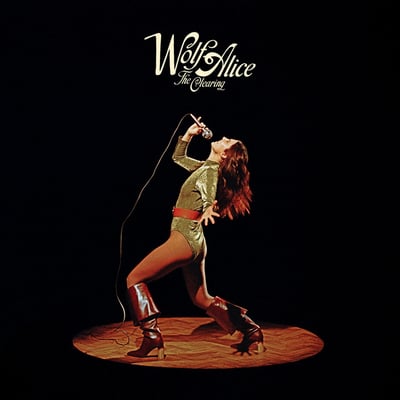
Wolf Alice The Clearing
Released Aug 22, 2025 Columbia
Established consensus 14 professional reviews Updated Oct 1, 2026
Broadly positive consensus
Wolf Alice's The Clearing lands as a confident, often cinematic turn that marries Seventies soft-rock warmth with radio-ready pop craft, and critics largely agree it delivers moments of genuine grandeur even as it smooths some of the band's earlier roughness.
How ChoruScore worksCritics' Top Tracks
The songs critics returned to most
Bloom Baby Bloom
12 critic mentions
“the album’s lead single, "Bloom Baby Bloom," is an extraordinary musical shapeshifter anchored by an irresistible chorus” — Under The Radar
White Horses
11 critic mentions
“Drummer Joel Amey leads ‘White Horses’ – his first song on lead vocals since ‘My Love Is Cool’’s ‘Swallowtail” — New Musical Express (NME)
Bread Butter Tea Sugar
12 critic mentions
“Don’t want a dish without salt / Bread without butter / If it’s bad for me, good, I feel bad suits me better,” — New Musical Express (NME)
Full critic consensus
Wolf Alice's The Clearing lands as a confident, often cinematic turn that marries Seventies soft-rock warmth with radio-ready pop craft, and critics largely agree it delivers moments of genuine grandeur even as it smooths some of the band's earlier roughness. Across 14 professional reviews the record earned a 77.36/100 consensus score, with reviewers repeatedly citing career-best vocals and a clear move toward hook-driven, Laurel Canyon-tinged arrangements. For those searching for a quick verdict or wondering whether The Clearing is good, the consensus suggests an accomplished, occasionally divisive evolution rather than a radical reinvention.
Critics consistently point to a handful of standout tracks that illustrate the album's strengths: “Bloom Baby Bloom” is almost universally named the towering highlight, praised for its cinematic chorus and arena-sized ambition; “White Horses” receives frequent praise for its emotional payoff and Joel Amey's vocal contribution; “Thorns”, “Bread Butter Tea Sugar” and “Passenger Seat” are also cited across reviews as some of the best songs on The Clearing. Reviewers note recurring themes of nostalgia, maturity and friendship, alongside a clear 1970s and Fleetwood Mac influence that informs the record's soft-rock sheen and polished production. Praise centers on songwriting clarity, band cohesion and Rowsell's commanding performances, while caveats point to production overreach and a tamed edge compared with earlier records.
Taken together, the professional reviews frame The Clearing as Wolf Alice expanding their horizons: an album of refined ambition where big, hook-driven moments sit beside intimate piano and folk-tinged passages. If your search is for the best tracks on The Clearing, start with “Bloom Baby Bloom”, “White Horses” and “Thorns”; if you want the full picture, the record rewards repeated listens even as some critics wished for more grit. Below, detailed reviews unpack where the record succeeds and where it plays it safe.
Track Ratings
How critics rated each track, relative to this album (0-100). Only tracks that made critics feel something are rated.
Thorns
Bloom Baby Bloom
Just Two Girls
Leaning Against The Wall
Passenger Seat
Play It Out
Bread Butter Tea Sugar
Safe in the World
Midnight Song
White Horses
The Sofa
Get the next albums worth your time.
Critic-backed picks in one clean digest. No clutter.
What Critics Are Saying
Deep insights from 14 critics who reviewed this album

Critic's Take
Wolf Alice's The Clearing is where post-twenty chaos gives way to calm, and the best songs - “Thorns”, “Just Two Girls” and “Leaning Against The Wall” - prove the band have never been sharper at translating grown-up clarity into melody. Ellie Rowsell's lyricism is at its most incisive here, and the warm Cali-pop of “Just Two Girls” and the piano-led “Thorns” make a convincing case as the best tracks on The Clearing. Drummer Joel Amey's lead on “White Horses” and the tender acceptance of “Bread Butter Tea Sugar” round out an album that rewards patience and close listening.
Key Points
-
‘Thorns’ is best for its piano-led intimacy and direct self-reflection, echoing earlier career highs.
-
The album’s core strength is mature, incisive songwriting that transforms post-twenty turmoil into calm clarity.
Themes

Critic's Take
Wolf Alice arrive on The Clearing with the surety of a band that have both earned and refined their swagger, and the best songs - notably “Bloom Baby Bloom” and “Thorns” - showcase Ellie Rowsell at her most commanding and intimate at once. Izzy Sigston's writing leans celebratory but precise, praising the triumphant comeback single “Bloom Baby Bloom” for its bold, Axl Rose-channeling pre-chorus and singling out “Thorns” as an opener that wouldn’t feel out of place in a Bond sequence. The review highlights quieter moments too - “Play It Out” and “Leaning Against The Wall” - as evidence of the band maturing on their own terms, balancing vulnerability with theatricality. Overall the best tracks on The Clearing are those that place Rowsell centre stage while the rest of the band shuffle alongside, delivering both spectacle and tenderness across the record.
Key Points
-
The best song is “Bloom Baby Bloom” because it is praised as a bold, triumphant comeback that spotlights Rowsell’s vocals.
-
The album’s core strengths are Rowsell’s commanding vocal performances and the band’s matured, cohesive arrangements that balance spectacle and intimacy.
Themes

Critic's Take
Wolf Alice sound reborn on The Clearing, a confident and elegant evolution where the best songs - “Bloom Baby Bloom” and “Passenger Seat” - reveal the band at their most assured. Andy Von Pip praises Ellie Rowsell’s voice as a stunning instrument throughout, noting how tracks such as “Thorns” and “Safe in the World” balance grandeur with intimacy in a way that answers searches for the best songs on The Clearing. The review foregrounds crafty songwriting and irresistible choruses, explaining why the best tracks here feel timeless rather than derivative. This is the record that may finally move Wolf Alice from cult to mainstream without surrendering their identity.
Key Points
-
The best song is "Bloom Baby Bloom" because it is called an extraordinary shapeshifter anchored by an irresistible chorus.
-
The album’s core strengths are assured songwriting, Ellie Rowsell’s versatile vocals, and tasteful classic-rock influences.
Themes


Critic's Take
Wolf Alice's The Clearing finds its best songs in moments of clarity and emotional heft, namely “Thorns”, “White Horses” and the closing “The Sofa”. The reviewer frames the record as Ellie Rowsell’s odyssey through grief, so the best tracks on The Clearing land where drama meets restraint - the operatic rush of “Bloom Baby Bloom” gives way to the gorgeous, fuzzy-headed surrender of “The Sofa”. There are also shining turns of lush soft-rock in “Just Two Girls” and affecting piano balladry at the album’s hinge, “Play It Out”, which help explain why listeners search for the best tracks on The Clearing.
Key Points
-
The best song, 'Thorns', anchors the record’s mid-youth crisis theme and is explicitly recommended by the reviewer.
-
The album’s core strengths are confident, refined songwriting that blends 1970s influences with emotional range from operatic highs to tender balladry.
Themes
Ho
Critic's Take
Wolf Alice sound refreshingly assured on The Clearing, a record about being comfortable in your own skin and owning your choices. Edwin McFee writes with an appreciative, punchy immediacy, calling “Bloom Baby Bloom” a Blondie-flavoured banger and highlighting “Midnight Song” as a spine-tingling, folk-minded triumph. He also singles out “Bread Butter Tea Sugar” as buoyant and string-driven, a future fan favourite. The voice is celebratory but specific, pitching the album as Wolf Alice’s most focused effort to date with career-best vocals from Ellie Rowsell.
Key Points
-
The best song is “Bloom Baby Bloom” because the reviewer calls it a Blondie-flavoured banger with big hooks.
-
The album’s core strengths are focused songwriting, ’70s-influenced rock/pop hooks, and standout vocals from Ellie Rowsell.
Themes

Critic's Take
Wolf Alice arrive on The Clearing as a band widening their scope while staying rooted, and the best songs show that balance. The titanic lead single “Bloom Baby Bloom” is the obvious highlight, a Fleetwood Mac-sized arena banger that showcases newfound ambition. Subtle opener “Thorns” eases you in, while the concise “Passenger Seat” proves their ear for vintage pop songcraft. The mini cycle of “Bread Butter Tea Sugar”, “Safe In The World” and “Midnight Song” supplies studio sheen and cements why these are the best tracks on The Clearing.
Key Points
-
The best song, “Bloom Baby Bloom”, is best because it amplifies Wolf Alice’s ambition into an arena-ready, Fleetwood Mac-like banger.
-
The album’s core strengths are its confident pop transition, studio polish, and a tethering to the band’s roots that keeps ambition grounded.
Themes

Critic's Take
Wolf Alice sound intent on marrying arena-sized hooks with artful influence on The Clearing, and the best songs on the album make that case plainly. Opener “Thorns” unveils layered, ABBA-like harmonies that set the tone, while “Just Two Girls” channels mid-70s Fleetwood Mac filtered through a Jenny Lewis sensibility. Bloom Baby Bloom and “Leaning Against The Wall” also stand out for their risky turns - Latin rhythms and Elliott Smith-into-gospel detours give the best tracks on The Clearing an adventurous, radio-ready sheen. Overall, Rowsell remains compelling throughout, which is why these tracks feel like Wolf Alice at their most assured.
Key Points
-
Thorns is best because its layered, ABBA-like harmonies immediately establish the album's melodic ambition.
-
The album's core strength is blending 70s pop influences with contemporary pop production to create radio-friendly yet adventurous songs.
Themes

Critic's Take
In his clear-eyed take on The Clearing, Jon Dolan singles out the album's biggest moments - the stomping “Bloom Baby Bloom” and the massive payoff of “White Horses” - as proof that Wolf Alice finally put sweep and depth together. He writes in a measured, admiring tone that links Rowsell's raw vocals to Florence Welch and Dolores O'Riordan while also valuing quieter tracks like “The Sofa” and “Passenger Seat” for emotional heft. The result addresses queries about the best songs on The Clearing with both rock spectacle and intimate songwriting, highlighting why “Bloom Baby Bloom” and “White Horses” stand out.
Key Points
-
“Bloom Baby Bloom” is the album's showpiece, a stomping high-point that fuses Kate Bush-like daring with rock spectacle.
-
The album's core strength is combining sweeping classic-rock influences with intimate, honest songwriting about adulthood and self-discovery.
Themes

Critic's Take
In a voice that alternates admiration and exasperation, Wolf Alice on The Clearing trade jaggedness for glossy pop sheen, and the review makes clear which songs survive that trade-off. The reviewer leans on “Passenger Seat” and “Bread Butter Tea Sugar” as vindications of the pop tilt, while praising the intimacy of “White Horses” as a standout moment. The tone is measured but pointed - the album contains brilliant moments, yet often sands down the sharp edges that once defined the band. This narrows the answer to queries about the best tracks on The Clearing: listen first to “Passenger Seat”, “Bread Butter Tea Sugar”, and the quietly fresh “White Horses” for the album's clearest rewards.
Key Points
-
The best song(s) are the tracks that embrace Kurstin's pop sheen successfully, notably "Passenger Seat" for vindicating the album's approach.
-
The album's core strengths are charismatic performances and some intimate, fresh moments, balanced against a tendency to sand down the band's sharper edges.
Themes

Critic's Take
Wolf Alice's The Clearing finds its strongest moments in the theatrical highs of “Bloom Baby Bloom” and the aching payoff of “White Horses”. She frames “Play It Out” as the album's emotional anchor - a quiet piano prayer that grounds the record even as it flirts with mainstream pop. The result is a pastiche that often succeeds in vivid atmosphere, even when it slips into triteness later on.
Key Points
-
“White Horses” is the best song for its vocal turn and cathartic chorus that synthesize the album's movement and sureness.
-
The album's core strength is vivid, emotive imagery and rich atmospheres even as it shifts toward mainstream pop.
Themes

Critic's Take
Wolf Alice lean into Laurel Canyon warmth on The Clearing, and the best songs - notably “Bloom Baby Bloom” and “Just Two Girls” - show why. The reviewer revels in the band's anarchic songcraft on “Bloom Baby Bloom”, praising its raucous bridge and dream-poppy chorus, while “Just Two Girls” is described in warm, nostalgic terms and carried by Rowsell's proud chorus. Lesser material drifts into acoustic monotony, though rollicking moments like “White Horses” and the boogie of “Bread Butter Tea Sugar” puncture that calm. The closing “The Sofa” is singled out for being both light-footed and forthright lyrically, ending the album on a thoughtful note.
Key Points
-
The best song is “Bloom Baby Bloom” because its anarchic structure, raucous bridge, and dream-poppy chorus reinvigorate contemporary rock.
-
The album's core strengths are nostalgic warmth and occasional bursts of rollicking energy amid a mostly mellow, acoustic midsection.
Themes

Critic's Take
Patrick Gill writes with a measured, slightly disappointed eye: Wolf Alice's The Clearing finds its best moments in the deceptively restless “Bloom Baby Bloom” and the groovy, Suede-tinged “White Horses”. Gill notes that “Bloom Baby Bloom” comes closest to the band’s old intensity while flirting with Fiona Apple and Florence & the Machine, and he highlights “White Horses” as the record's most compelling moment when Joel Amey sings over a steady Krautrock beat. Throughout the review he laments that the band sound more searching than sure, praising production but criticizing a loss of the venom that once defined them.
Key Points
-
“Bloom Baby Bloom” is the best song because it most closely recaptures Wolf Alice's earlier intensity while exploring new influences.
-
The album's core strengths are strong production and stylistic ambition, but it suffers from a tamed sound and inconsistent originality.
Themes

Critic's Take
In a review that alternates between admiring spectacle and exasperated diagnosis, Wolf Alice land one towering triumph on The Clearing with “Bloom Baby Bloom”, an avant-pop triumph that marries Steve Reich-like motifs to a feral, Kate Bush-quoting vocal. The second-best moment, “White Horses”, offers Joel Amey’s introspective verses and an Enya-ish chorus that briefly hints at the more ambitious record they might have made. Elsewhere the album drifts into safe, by-numbers balladry - think middle-of-the-road country and highway clichés in “Leaning Against The Wall” and “Passenger Seat” - leaving The Clearing feeling disappointingly cautious outside its two highs.
Key Points
-
‘Bloom Baby Bloom’ is best for its adventurous composition and Rowsell’s versatile, powerful vocals.
-
The album’s core strengths are vivid lyrics and strong vocal performance, undermined by cautious, by-the-numbers production.