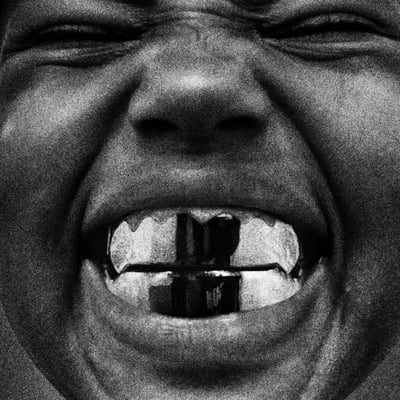
Ye BULLY
Released Mar 28, 2026 YZY/gamma.
Established consensus 8 professional reviews Updated Apr 2, 2026
Split critical consensus
Ye's BULLY arrives as a fraught, often contradictory statement that pairs nostalgic production with a vulnerability critics find both compelling and hollow.
How ChoruScore worksCritics' Top Tracks
The songs critics returned to most
PUNCH DRUNK
5 critic mentions
“Punch Drunk,” “Whatever Works,” and “I Can’t Wait” all lean into the soul-sampling ethos of Ye’s early releases” — Rolling Stone
PREACHER MAN
5 critic mentions
“The first passage of "Preacher Man," where he teases the arrival of a "light-bearer to lead you home," has the overperfect simulacra shimmer of an AI voice.” — Pitchfork
ALL THE LOVE
5 critic mentions
“Elsewhere, like on “All the Love,” Ye delivers some of his most melodically impressive work in recent memory” — Rolling Stone
Full critic consensus
Ye's BULLY arrives as a fraught, often contradictory statement that pairs nostalgic production with a vulnerability critics find both compelling and hollow. Across professional reviews, the record earned a lukewarm critical reception, with a 55.25/100 consensus score from 8 reviews, and reviewers consistently point to isolated highs rather than an unbroken artistic return to form. "PUNCH DRUNK" repeatedly emerges as the album's woozy centerpiece, while "KING", "FATHER", "SISTERS AND BROTHERS", and "THIS ONE HERE" are cited as the clearest standout tracks when Ye's instincts sharpen.
Critics agree on recurring themes: revival and remorse, sampled luxuriance that sometimes supplants authorship, and a tension between contrition and defiance. Pitchfork and The New Yorker highlight the ache in "PUNCH DRUNK" and the title track, praising moments of tenderness amid what some call retro-Kanye imitation. Rolling Stone, The Needle Drop, and Soul in Stereo flag "KING" and "Preacher Man" for stadium-ready ambition and incisive production, even as several reviews describe unfinished ideas, perfunctory sequencing, and an overreliance on interpolations. Shatter The Standards and Slant emphasize how samples do much of the heavy lifting, leaving songs that feel fragmentary despite occasional cinematic payoff.
The critical consensus is mixed: reviewers consistently find memorable passages and a few must-listen songs, yet they also note emptiness, incoherent sequencing, and a decline in the album's narrative urgency. For readers searching for the best songs on BULLY the guides point to "PUNCH DRUNK", "KING", and "FATHER"; for those asking whether BULLY is good, the 55.25 score across eight professional reviews suggests an album worth sampling for standout moments rather than a full-scale reclamation. Below follow the full reviews and deeper takes on Ye's conflicted return.
Track Ratings
How critics rated each track, relative to this album (0-100). Only tracks that made critics feel something are rated.
KING
THIS A MUST
FATHER
ALL THE LOVE
PUNCH DRUNK
WHATEVER WORKS
MAMA’S FAVORITE
SISTERS AND BROTHERS
BULLY
HIGHS AND LOWS
I CAN’T WAIT
WHITE LINES
CIRCLES
PREACHER MAN
BEAUTY AND THE BEAST
DAMN
LAST BREATH
THIS ONE HERE
Get the next albums worth your time.
Critic-backed picks in one clean digest. No clutter.
What Critics Are Saying
Deep insights from 8 critics who reviewed this album
Ho
So
Critic's Take
Ye sounds caught between swagger and self-doubt on BULLY, which makes identifying the best songs tricky but possible. The review’s clear favorite is “Preacher Man”, a production-forward centerpiece that marries a crisp sample to fleeting moments of reflection. Other best tracks called out are “Sisters and Brothers” and “Punch Drunk”, both praised for sonic detail yet criticized for feeling abbreviated. Overall the album’s improved production lifts songs but the restraint and unfinished ideas keep many of the best tracks from fully landing.
Key Points
-
The best song is "Preacher Man" because its crisp sample and reflective moments stand out amid otherwise restrained material.
-
The album's core strength is its improved production, which elevates tracks even when ideas feel unfinished.
Themes

Critic's Take
Ye's Bully reads like a greatest-hits pastiche, and the best tracks - “KING”, “Father”, and “Preacher Man” - show why. Ihaza praises the opener “KING” as a standout with Yeezus-era bite smoothed into stadium-ready melodies, and calls “Father” a bright spot where Travis Scott chemistry still clicks. The review highlights “Preacher Man” as the album's most recognizable single and cinematic centerpiece, even as the record overall feels lifeless and too clean to match Ye's former unpredictability.
Key Points
-
“KING” is best for recapturing Yeezus-era aggression with smoother, stadium-ready production.
-
The album’s core strength is polished sonic craftsmanship that recalls Ye’s earlier soul-sampling and melodic peaks despite emotional emptiness.
Themes

Critic's Take
Paul Attard finds the best tracks on BULLY to be the mid-album stretch from “SISTERS AND BROTHERS” to “WHITE LINES,” a fairly strong run where the record comes closest to interrogating bullying. He praises the sweeping, sinister title song “BULLY” for its striking line about castles crashing down, but largely argues the album offers palatable mood pieces rather than substantive autobiography. Attard singles out short, perfunctory pieces like “THIS A MUST” and “CIRCLES” as evidence of Ye skimming the surface, while noting flashes of invention on “PREACHER MAN” and “BEAUTY AND THE BEAST” that never fully cohere. The net impression is an album with notable moments but insufficient depth to rank among West's best.
Key Points
-
The best song run is the mid-album stretch from "SISTERS AND BROTHERS" to "WHITE LINES" for thematic coherence.
-
The album's core strength is mood and occasional strong melodies, but it lacks autobiographical depth and consistent ambition.
Themes

Critic's Take
In a weary, often cutting tone that pivots between pity and exasperation, Ye on BULLY finds fleeting redemption in songs like “Punch Drunk” and the title track, where sample-driven production and a rare tenderness puncture the album’s arrogance. The reviewer lingers on “Punch Drunk” as a rightly woozy highlight and on “BULLY” for its audible ache, even as most tracks feel like hollow retro-Kanye imitation. This is a record for diehards, an album whose best tracks - namely “Punch Drunk” and “BULLY” - offer the clearest reasons to listen despite pervasive emptiness.
Key Points
-
The best song, "Punch Drunk," stands out for its woozy Clark Sisters sample and rare moral reach about mothers fighting for wages.
-
The album’s core strength is its sample-driven moments that briefly recapture retro-Kanye grandeur, but overall it feels hollow and undercooked.
Themes
Sh
Critic's Take
Ye's BULLY hangs on other people's music more than his own, which is why the best songs on BULLY feel like borrowed victories: “I Can’t Wait” and “Beauty and the Beast” actually let the samples breathe while Ye drifts. The record keeps returning to gorgeous crate-digging - Fairouz, Stevie Wonder, the Supremes - and tracks like “Beauty and the Beast” convert that warmth into something almost memorable. Even when a line lands in “King” or “Whatever Works”, it reads like a rare sharp moment amid frustrating emptiness. Ultimately, if you want to know the best tracks on BULLY, listen for the songs where the samples do the work: those cuts are the album's only real sustenance.
Key Points
-
The best song is driven by a sample that supplies warmth and melody, notably on "Beauty and the Beast".
-
The album's core strength is its crate-digging production, but Ye's own writing often feels underdeveloped.
Themes
Na
Critic's Take
In his characteristically acerbic, observant voice Armond White finds the best songs on BULLY to be insistently moral and musically redemptive. He elevates “Father”, noting its striking diorama video and religious allegory, and praises “I Can’t Wait” for its mournful Supremes sample that clarifies Motown greatness. He points to gospel-inflected highs like “Punch Drunk” and “Whatever Works” as evidence of Ye’s revival, and singles out “This One Here” as the contrite centerpiece that dramatizes the album’s plea for solidarity and repair.
Key Points
-
The best song is "Father" because its video and religious allegory make it the album’s artistic centerpiece.
-
The album’s strengths are its gospel-inflected revivalism and serious political self-examination.
Themes
Th
Critic's Take
Ye returns on BULLY as a man both conciliatory and ambiguous, and the best tracks - especially “KING” and “PUNCH DRUNK” - show that tension most clearly. The reviewer's eye lingers on “KING” for its buzzing bass and lines that mix contrition and bravado, while “PUNCH DRUNK” feels like a purposeful throwback to the sped-up-sample era. The result is an album that is not great, but that may be a landmark for how artists use - and are judged by - A.I. in music.
Key Points
-
The best song, "KING", is best for mixing contrition and defiance over a fuzzy, buzzing bass.
-
The album’s core strength is its striking moments and nods to earlier Ye production, even amid uneven, fragmentary tracks.