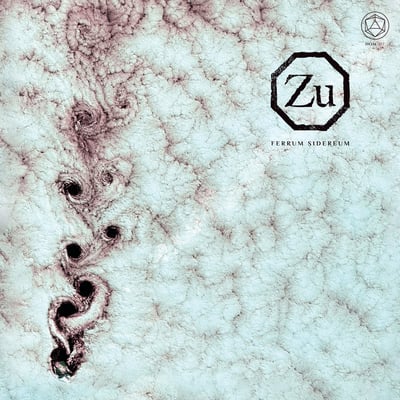
Zu Ferrum Sidereum
Released Jan 9, 2026 House of Mythology
Consensus forming 3 professional reviews Updated Jan 17, 2026
Strong critical consensus
Consensus is still forming across 3 professional reviews. Zu's Ferrum Sidereum arrives as a bruising, visionary statement that balances brutal heft with surprising grace.
How ChoruScore worksCritics' Top Tracks
The songs critics returned to most
La Donna Vestita Di Sole
1 critic mention
“La Donna Vestita Di Sole ... is lighter initially, with swirling keyboards and plaintive chords” — Louder Than War
Pleroma
2 critic mentions
“Opening as a bass-lead meditation, before bringing in celestial chimes, industrial electronics and, eventually, a rhythmically wild rock freakout” — Clash Music
Ferrum Sidereum
3 critic mentions
“it’s a monster 80-minute double album, overflowing with more ideas and moods than most bands fit into a whole career” — Clash Music
Full critic consensus
Zu's Ferrum Sidereum arrives as a bruising, visionary statement that balances brutal heft with surprising grace. Across three professional reviews the record earned an 86.67/100 consensus score, and critics consistently point to a handful of tracks that crystallize its ambition: “Ferrum Sidereum”, “Pleroma” and “Kether” recur as standout moments while “La Donna Vestita Di Sole” and “Charagma” are singled out for their cinematic scale.
The critical consensus highlights Zu's mastery of synth-sax interplay and an experimental jazz-punk fusion that leans into industrial and heavy bass-led textures. Reviewers praise the album's dynamic contrast and rhythmic intensity, noting abrasive sax lines and treble-forward drums that make pieces like “Kether” feel texturally writhing. At the same time tracks such as “Pleroma” emerge as bass-led meditations that detonate into celestial chimes, while the title track and closing sequences use unresolved, swelling climaxes to sustain a sense of dark ambience and cinematic vastness. Critics agree the record trades easy answers for powerful, unpredictable momentum.
Not everything is celebratory in the same register: some reviews emphasize the album's mordant, uncanny moods and the intensity can feel relentless, but most commentators frame that relentlessness as deliberate, part of a larger project that pits human creativity against AI encroachment. Across three professional reviews the consensus suggests Ferrum Sidereum is a must-listen for those drawn to abrasive textures, spiritual and mythic imagery, and heavy transcendence. Below, expert reviews unpack how these best tracks and recurring themes make Zu's latest both challenging and rewarding.
Track Ratings
How critics rated each track, relative to this album (0-100). Only tracks that made critics feel something are rated.
Charagma
Golgotha
Kether
A.I. Hive Mind
La Donna Vestita Di Sole
Pleroma
Fuoco Saturnio
The Celestial Bull and the White Lady
Hymn of the Pearl
Perseidi
Ferrum Sidereum
Get the next albums worth your time.
Critic-backed picks in one clean digest. No clutter.
What Critics Are Saying
Deep insights from 3 critics who reviewed this album

Critic's Take
There is something eerie and uncanny about Zu's Ferrum Sidereum, yet the record is defiantly human and jubilant in its best moments. The reviewer's voice revels in the way tracks like “Pleroma” and “A.I. Hive Mind” transmute sax, bass and drums into something radiant and monstrous, a stubborn rejoinder to the claim that machines can create. Praise is heaviest for “Pleroma” - a bass-led meditation that detonates into celestial chimes and a wild rock freakout - and for “A.I. Hive Mind”, a bass-weighted clarion call against AI flattening. Read together, these best tracks demonstrate why the best songs on Ferrum Sidereum feel like proofs of human imagination, brutal and beautiful in equal measure.
Key Points
-
“Pleroma” is best for its bass-led meditation that explodes into celestial chimes and a unique rock freakout.
-
The album’s core strengths are its fusion of heavy, meditative grooves and a spiritual, defiantly human creative vision.
Themes

Critic's Take
On Ferrum Sidereum Zu conjure a mordant, shapeshifting double album where the best songs - notably “Charagma” and “Kether” - demonstrate the group’s uncanny synchronicity. The record’s abrasive sax and treble-dominant drums make tracks like “Kether” feel texturally writhing, while opening “Charagma” boasts the same uniform dynamic versatility that threads the LP. Elsewhere, the cinematic swell of “The Celestial Bull and the White Lady” and the closing title track show Zu’s knack for building sudden, unresolved climaxes that keep the 80-minute runtime unpredictable and intense.
Key Points
-
Kether is best for its brittle toms and razor-sharp bass textures that make it feel texturally writhing.
-
The album’s core strengths are abrasive synth-sax interplay, tight rhythmic synchronicity, and dynamic, unpredictable pacing.
Themes

Critic's Take
Zu's Ferrum Sidereum feels like a colossal, air-sucking achievement where songs such as “Charagma” and “La Donna Vestita Di Sole” stand tallest, heavy as osmium and breathtaking in scale. The reviewer revels in the album's collision of industrial weight and jazz agility, praising the groove of “Kether” and the sax-blasted conclusions that push tracks into cinematic territory. This is music that demands you let go and fly, and the best tracks - especially “Charagma” and “La Donna Vestita Di Sole” - are the moments where genre becomes obsolete and the band sounds entirely singular.
Key Points
-
The best song is “Charagma” because its shapeshifting bass-driven opening sets the album's spellbinding tone.
-
The album's core strength is its fusion of industrial weight and jazz dynamics to create cinematic, genre-defying music.