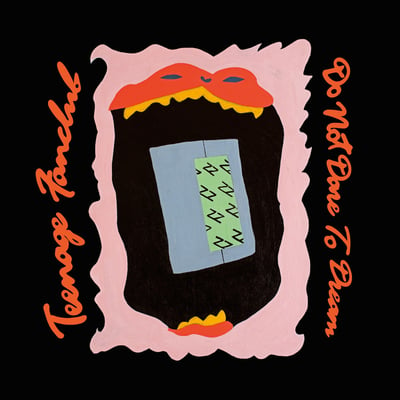
Teenage Fanclub Do Not Dare To Dream
Released Oct 9, 2026 Merge Records
Established consensus 8 professional reviews Updated Oct 15, 2026
Mostly positive consensus
Teenage Fanclub's Do Not Dare To Dream finds the band making familiar melodic craft feel quietly restorative: a reflective, often melancholy record that still leaves room for hope.
How ChoruScore worksCritics' Top Tracks
The songs critics returned to most
There Was You
6 critic mentions
“Faint power pop underneath an acoustic ramble arrives at its golden destination in no hurry on the album opener ‘There Was You” — Far Out Magazine
I Do Not Dare To Dream
4 critic mentions
“I Do Not Dare To Dream’ candidly describes how hopelessness can become habitual, but does so in such a way that it can bring reassurance.” — Clash Music
Be With You Tonight
3 critic mentions
“Over And Over and Be With You Tonight plough a similar furrow, though while the second brings the full band into play” — The Herald
Full critic consensus
Teenage Fanclub's Do Not Dare To Dream finds the band making familiar melodic craft feel quietly restorative: a reflective, often melancholy record that still leaves room for hope. Across eight professional reviews, it earns a 71.88/100 consensus score, with critics praising its harmony-rich songwriting and mature perspective while some note that its unhurried pace can make songs blur together.
The strongest points of agreement are the album’s warmth, layered arrangements, and thoughtful writing about love, loss, time passing, and finding contentment amid uncertainty. “There Was You,” the most frequently highlighted track, pairs bright guitars with interlocking harmonies; “I Do Not Dare To Dream” turns its anxious title into a hopeful, sing-along refrain. Critics also single out “Tomorrow People” for its glinting keyboards and unusual Kosmische touch, while “Be With You Tonight” brings a spirited guitar flourish. Together, these tracks make a persuasive case for the best songs on Do Not Dare To Dream without disguising the record’s subdued temperament.
Reviewers differ on how much the band’s familiar approach adds up to fresh momentum. Some hear a breezier strain of reflective folk rock, with pastoral details and small flashes of joy offering relief from modern life’s noise; others find the slow tempos and restrained arrangements less distinctive. Even the more measured responses recognize the quality of the songwriting. The critical consensus suggests an album of modest pleasures rather than grand reinvention, where vulnerability and hard-won optimism carry more weight than spectacle. These reviews explore where its gentle patience becomes a strength, and where it risks settling into sameness.
Track Ratings
How critics rated each track, relative to this album (0-100). Only tracks that made critics feel something are rated.
There Was You
Tomorrow People
Over And Over
Be With You Tonight
The Same Air
I Do Not Dare To Dream
Take Time
Day In The Sun
Somewhere To Land
Young And Wise
Get the next albums worth your time.
Critic-backed picks in one clean digest. No clutter.
What Critics Are Saying
Deep insights from 11 critics who reviewed this album

Critic's Take
The answer to whether Teenage Fanclub are up to their high standards is a tricky yes, and to whether they have finally flopped a definite no. The best songs on Do Not Dare To Dream are not singled out here, as the review names no tracks from the album. Instead, the band have gone for a more layered concept, with listeners peeling the layers to get to the essence, and that peeling is quite worth every listener’s time.
Key Points
-
The review does not identify a best song or single out any track from the album.
-
The album’s core strength is a layered approach that rewards listeners who take the time to peel back its layers.
Themes
Th
Critic's Take
Teenage Fanclub aren’t trying to re-invent the wheel on Do Not Dare To Dream - with tyres this good, why should they? The best songs on Do Not Dare To Dream include “Tomorrow People,” whose harmonies and Kosmische turn make it an outlier, and “Over And Over,” an exercise in restraint and poise. “Young And Wise” is another standout, with a mellow Sunday morning vibe, while “I Do Not Dare To Dream” brings a soaring, sing-along chorus. A few lyrical mis-steps aside, these are the best tracks on an album that finds the band with an inexhaustible supply of thoughtful, harmony-driven songs.
Key Points
-
Tomorrow People stands out for its classic harmonies, unexpected synth interlude and soaring second section.
-
The album’s strengths are thoughtful songwriting, melancholy and hope, and tightly harmonised, timeless rock.
Themes

Critic's Take
Teenage Fanclub may have recorded Do Not Dare To Dream in an isolated environment, but its songs are reaching out, expressing vulnerability. The best songs on Do Not Dare To Dream know what it feels like to be in freefall: “Somewhere To Land” is a low-mood drowse, while “I Do Not Dare To Dream” captures the rush of lost time. The record is most affecting when it reflects on hard-won contentment, whether in the love-saves narrative of “There Was You” or the way “Day In The Sun” emerges from behind storm clouds to extol commitment and hope. “Take Time” dances along a gentle redemptive arc; these warm, intuitive songs know that glossy perfection isn’t necessarily the shape a happy life takes.
Key Points
-
“Day In The Sun” stands out as it emerges from behind storm clouds to extol commitment and hope.
-
The album's warm, intuitive songs express vulnerability while finding connection and hard-won contentment.
Themes

Critic's Take
Teenage Fanclub have never been a flashy, or showy, band, and the best songs on Do Not Dare To Dream prove that solid songwriting still has the last laugh. “There Was You” tells us this is business as usual, with glorious harmonies and a little bit more. “The Same Air” moves slowly, with wonky guitar riffs and pummeling drums and bass. On “I Do Not Dare to Dream,” the chorus is hopeful and looking to the future, not dwelling in the past.
Key Points
-
“There Was You” stands out for its glorious harmonies and familiar songwriting with a little bit more.
-
The album’s core strengths are solid songs, inventive melodies, wistful lyrics, and hopeful choruses.
Themes

Critic's Take
Teenage Fanclub have crafted an output that bares the hallmark of their seamless melodicism on Do Not Dare To Dream, without the side effect of stuffiness. Among the best songs on Do Not Dare To Dream, “There Was You” immediately embarks on a bright waltz, dappled with interlocking harmonies and courting guitars. “Over And Over” bottles the magic of Great Bernera, its choral quality and sense of mysticism buttressing an already impressive tapestry of instrumentation. The titular track candidly describes how hopelessness can become habitual, but does so in such a way that it can bring reassurance. This is evidence of Fanclub’s ability to breathe new life into previously honed crafts.
Key Points
-
“Over And Over” stands out for its choral harmonies, mysticism, and richly layered instrumentation.
-
The album’s core strengths are seamless melodicism, warm arrangements, and lyricism that feels both timeless and contemporary.
Themes

Critic's Take
Teenage Fanclub find relief from the glacial pace of Do Not Dare to Dream in McGinley’s love songs, an internal response to Blake’s stultifying melancholy. The best songs on Do Not Dare to Dream are “There Was You,” bolstered by an abundance of harmonies, and “Be With You Tonight,” where a harmonized guitar solo gets unleashed. Elsewhere, “Young and Wise” conjures something romantic and sad, but the past-tense language gives it away.
Key Points
-
“Be With You Tonight” is the strongest song, reaching a peak with its waltz and unleashed harmonized guitar solo.
-
The album’s love songs and harmonies offer relief from its glacial pace and stultifying melancholy.
Themes
Fa
Critic's Take
Teenage Fanclub pare down their old jangle pop formulas to a breezier strain of reflective folk rock on Do Not Dare To Dream, where the songs shuffle and roll like an ocean tide or leafy gust. The best tracks on Do Not Dare To Dream find their golden destination in no hurry: “There Was You” offers faint power pop underneath an acoustic ramble, while “Be With You Tonight” and “Day In The Sun” bring a spirited dash and hopeful breeze. “Tomorrow People” glitters with keyboard trills and flutters for its wry sci-fi sheen, and is the standout track. No-thrills but restorative, the album offers a soothing retreat from the contemporary age’s hectic complexity.
Key Points
-
“Tomorrow People” is the standout for its glittering keyboard trills and wry sci-fi sheen.
-
The album’s reflective folk rock offers a restorative retreat from the busyness of modern life.
Themes
mu

Critic's Take
Teenage Fanclub continue to refine their familiar sound on Do Not Dare To Dream, a thoughtful, reflective record about love, time passing and finding reasons to remain hopeful. The best songs on Do Not Dare To Dream include “I Do Not Dare To Dream,” whose gathering guitars and harmonies make its contradiction the point, and the particularly lovely “Over And Over,” where church-organ warmth adds another layer. “Day In The Sun” provides one of the album’s brightest moments, bringing a welcome lift without disturbing its settled temperament. There are moments when the mid-tempo pace threatens to blur the songs together, but this is a record of modest pleasures and earned perspective.
Key Points
-
“I Do Not Dare To Dream” is the album’s central statement, gathering strength until its harmonies seem to lift it skywards.
-
The album’s generous melodies and wondrous harmonies deliver modest pleasures and earned perspective, even when its mid-tempo pace threatens to blur songs together.
Themes
Th
Critic's Take
Teenage Fanclub has a natural curiosity and sense of melodic optimism, and the best songs on Do Not Dare To Dream bring that feeling into bright, easy-flowing grooves. My personal favorite, “Day In The Sun,” is so engrossing, with confectionary vocals and carnival keyboards that make the song sound as if it’s swirling. “I Do Not Dare To Dream” brings a sun-drenched Laurel Canyon vibe, while “Take Time” finds a pastoral, slightly psychedelic feel in its flute. It’s the evolution and progression of a band still curious about life, even if the music is slowed down with a touch of melancholy.
Key Points
-
“Day In The Sun” is the best song for its engrossing double-tracked harmonies and swirling carnival keyboards.
-
The album's core strength is its melodic optimism, pairing relaxed, pastoral arrangements with reflective songwriting.
Themes

Critic's Take
Teenage Fanclub face the strife and tribulations of a collapsing society with a reassured sense of self on Do Not Dare To Dream, turning inspiration into harmony-fueled, jovial frolics. The best songs on Do Not Dare To Dream offer small lessons hidden in gentleness: “Tomorrow People” asks us to look within, while “The Same Air” captures the joy of a relationship. The acoustic “I Do Not Dare To Dream” is a breezy, cheeky lesson in staying in the moment, and “Somewhere To Land” takes a more brooding turn toward reflection. These ten songs feel prophetic but not preachy, harmonious but not celebratory, landing that perfect balance of self-expression and empathy.
Key Points
-
“Tomorrow People” stands out for turning its extended, warping sound into a lesson about looking within and life's complexity.
-
The album's core strength is its harmony-fueled warmth, finding joy and empathy in everyday moments.