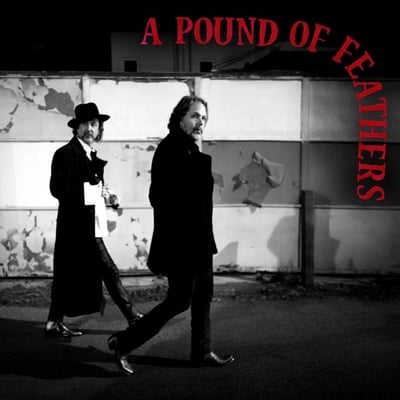
The Black Crowes A Pound of Feathers
Released Mar 13, 2026 Silver Arrow Records
Established consensus 9 professional reviews Updated Oct 1, 2026
Broadly positive consensus
The Black Crowes's A Pound of Feathers reintroduces the band as a rough-hewn, live-wired force, marrying 1970s vintage swagger with a present-tense urgency that critics found hard to resist.
How ChoruScore worksCritics' Top Tracks
The songs critics returned to most
Profane Prophecy
9 critic mentions
“the video for recent single “Profane Prophecy” would suggest that the Black Crowes are now down to brothers” — The Arts Desk
Pharmacy Chronicles
7 critic mentions
“A rusty strum in the wee hours of the morning tilts us toward the latter on “Pharmacy Chronicles,” — Paste Magazine
Do the Parasite!
4 critic mentions
“Do The Parasite (a riff as dirty as a mechanic’s overalls, a Hammond organ behind the chorus,” — Classic Rock Magazine
Full critic consensus
The Black Crowes's A Pound of Feathers reintroduces the band as a rough-hewn, live-wired force, marrying 1970s vintage swagger with a present-tense urgency that critics found hard to resist. Across the record's ten-day creation and a reunion atmosphere, reviewers point repeatedly to “Profane Prophecy” as the immediate standout, an arena-ready opener whose cowbell-driven brashness and bratty call-and-response set the tone for the best songs on A Pound of Feathers.
The critical consensus, reflected in an 81.33/100 average from nine professional reviews, praises the album's spontaneity, brotherly guitar interplay, and stylistic range - from the melancholic, country-tinged “Pharmacy Chronicles” to the stomping blues-rock of “Do the Parasite!” and the sleazy groove of “Blood Red Regrets”. Reviewers consistently celebrate the record's raw rock'n'roll energy and vocal vitality while noting its continuity with the band's classic sound rather than a radical reinvention. Critics highlighted live-ready moments such as “You Call This a Good Time?” alongside darker, Zeppelin-esque closers like “Doomsday Doggerel” as evidence of the Crowes' range.
While most reviews lean positive, a few voices flagged familiarity as both strength and limitation, suggesting that the album's retro 1970s sound occasionally trades innovation for homage. Overall, the professional reviews agree that A Pound of Feathers is a spirited comeback: its standout tracks and gritty immediacy make a strong case for fans asking whether the record is worth listening to and which are the best songs on the album. Below, detailed reviews unpack how the band's reunion, rapid recording process, and songwriting variety shape this victorious, slightly ragged return.
Track Ratings
How critics rated each track, relative to this album (0-100). Only tracks that made critics feel something are rated.
Profane Prophecy
Cruel Streak
Pharmacy Chronicles
Do the Parasite!
High & Lonesome
Queen of the B-Sides
It’s Like That
Blood Red Regrets
You Call This a Good Time?
Eros Blues
Doomsday Doggerel
Get the next albums worth your time.
Critic-backed picks in one clean digest. No clutter.
What Critics Are Saying
Deep insights from 9 critics who reviewed this album

Critic's Take
The Black Crowes sound reborn on A Pound of Feathers, a joyous, ramalama return that revels in roughed-up rock'n'roll and songwriting bravado. Mark Blake singles out the riff-driven grit of “Blood Red Regrets” and the Zeppelinesque menace of “Doomsday Doggerel” as high points, and he frames “Profane Prophecy” as a provocative single that stirred the fanbase. The review insists the record is rawer and looser than its predecessor, and that immediacy - recorded in ten days - is part of why these are the best tracks on A Pound of Feathers.
Key Points
-
The best songs like "Blood Red Regrets" stand out for riff-heavy, Zeppelinesque power and immediacy.
-
The album’s core strengths are rawness, quick recording energy, and skilled reworking of classic rock influences.
Themes
Ho
Critic's Take
The Black Crowes sound rejuvenated on A Pound Of Feathers, Chris sounding "fresh as a daisy" and the band kicking off with the growling menace of “Profane Prophecy”. The review revels in the entangled guitar play on “Pharmacy Chronicles” and calls “Do The Parasite!” stomping blues-rock at its very best, making those songs the best tracks on A Pound Of Feathers. It praises the garage buzzsaw of “It’s Like That” as show-your-medals stuff, and savours the Sabbath-style closer “Doomsday Doggerel” for heft and finality. The tone is celebratory and seasoned, arguing these are the standout moments on the album rather than a reinvention.
Key Points
-
The best song is the opener “Profane Prophecy” because it growls out of the gate and sets the album's feral tone.
-
The album's core strengths are the brothers' entangled guitar interplay and Chris Robinson's enduring, fresh vocals.
Themes

Critic's Take
The Black Crowes return on A Pound of Feathers with a streak of urgent, funky rock where the best songs - notably “Profane Prophecy” and “Pharmacy Chronicles” - balance raucous revelry and quiet reflection. The reviewer’s voice revels in the band’s spontaneity, praising how “Profane Prophecy” opens with arena-ready bluster before descending into mischievous merrymaking. Equally telling is “Pharmacy Chronicles”, a late-night rusted strum that finds Chris singing about perfume, champagne, and sin while urging us to "leave it all behind you." The closing pair, including “Eros Blues” and “Doomsday Doggerel”, darken the record but underline the Crowes’ commitment to freedom and songwriting craft.
Key Points
-
“Profane Prophecy” is the best song because it opens with arena-ready bluster and playful call-and-response that embody the album’s energy.
-
The album’s core strengths are its spontaneity, the siblings’ dynamic tension, and a mix of raucous rock and reflective blues.
Themes

Critic's Take
The Black Crowes have rarely sounded more comfortably themselves than on A Pound of Feathers, and the best songs on A Pound of Feathers - notably “Profane Prophecy” and “Pharmacy Chronicles” - show why. Stevie Chick revels in the band’s Keef-worthy riffs and slip-slide grooves, praising the cowbell-driven opener “Profane Prophecy” for its brash lines and swagger while celebrating “Pharmacy Chronicles” as a 70s sad-rock mini-epic suffused with melancholy. The review frames these tracks as exemplars of the Crowes’ alchemy, where vintage stylings become lived-in truths rather than pastiche. Overall, Chick makes clear that the album’s highs make it an irresistible pleasure in grim times, and those standout tracks are why listeners will call these the best songs on A Pound of Feathers.
Key Points
-
The best song, "Profane Prophecy", is best for its cocky opener, cowbell-driven swagger and emblematic Robinson bravado.
-
The album's core strengths are vintage-rock authenticity and balancing rollicking thrills with moments of genuine melancholy.
Themes

Critic's Take
The Black Crowes return on A Pound of Feathers playing to their strengths, and the best songs on A Pound of Feathers are the ones that trade in familiar swagger for genuine feeling. The opener “Profane Prophecy” and follow-up “Cruel Streak” deliver the unmistakable Black Crowes stomp, while the sublime, acoustic “Pharmacy Chronicles” feels like a recovered gem from an earlier era. For fans seeking the best tracks on A Pound of Feathers, the moody late pair “Eros Blues” and “Doomsday Doggerel” reveal the Robinsons at their most inventive and resonant.
Key Points
-
The best song(s) are the moody closing pair because they repurpose past influences into something newly resonant.
-
The album’s core strength is its confident return to classic, bluesy Crowes rock threaded with country and Stones/Zeppelin touchstones.
Themes
Cl
Critic's Take
The Black Crowes sound unshackled on A Pound Of Feathers, and Pat Carty homes in on the record's best tracks with relish. He singles out “Profane Prophecy” as an out-of-the-traps rocker that roars and snorts, and praises “You Call This a Good Time?” as a mighty, AC/DC-tinged live killer. Carty also notes the pleasing country-streak of “Pharmacy Chronicles” and the adventurous closing pair “Eros Blues” and “Doomsday Doggerel”, arguing repeated listens reveal their rewards. The review reads like the work of a band reasserting itself, and answers the question of the best songs on A Pound of Feathers by pointing to both immediate rockers and the record's deeper experiments.
Key Points
-
The best song, “Profane Prophecy”, is a roaring opening rocker that showcases the Crowes' live energy.
-
The album's core strengths are classic rock songcraft and stylistic variety that reward repeated listens.
Themes

Critic's Take
The Black Crowes sound reinvigorated on A Pound of Feathers, and the best songs here underline that rebirth. The reviewer singles out “Do the Parasite!” as a rip-roaring, scruffily punk left turn and “Doomsday Doggerel” for heavy, psychedelic, Zeppelin-esque menace, while the tenderness of “Pharmacy Chronicles” shows the band stripping back to something real. This is a loose, gritty record full of molten guitar work and swaggering vocals, and those best tracks - the loud, the dark, and the quiet - make the album one of their most exciting in years.
Key Points
-
The best song moments are the daring left turns like "Do the Parasite!" and "Doomsday Doggerel" that expand the band’s palette.
-
The album’s core strengths are loose, gritty performances, molten guitar work, and a mix of swaggering rockers and tender ballads.
Themes

Critic's Take
The Black Crowes return on A Pound of Feathers with raucous, spontaneous songs that make clear the best tracks are the ones that revel in chaos. The album’s lead single “Profane Prophecy” bursts open with arena-ready bluster and cheeky call-and-response, making it one of the best songs on A Pound of Feathers for sheer spectacle. Intimate moments like “Pharmacy Chronicles” and the driving “It’s Like That” balance that bravado with reflection, which helps explain why listeners searching for the best tracks on A Pound of Feathers will gravitate to these highlights. The record closes darker with “Eros Blues” and “Doomsday Doggerel”, reminding fans that the Crowes still know how to turn merrymaking toward menace.
Key Points
-
The lead single "Profane Prophecy" is the best song for its arena-ready bluster and rebellious spectacle.
-
The album balances raucous celebration with reflective moments, driven by brotherly tension and spontaneous studio energy.
Themes
Th
Critic's Take
The review keeps a wry, observant stance: The Black Crowes on A Pound of Feathers feel largely familiar, and the best track mentioned is “Profane Prophecy”, the recent single whose video underscores the band reduced to brothers and session players. Guy Oddy writes with a matter-of-fact eye, noting that nothing much else changes and that the album sounds as if it could have slotted straight into 1973, which explains why listeners searching for the best songs on A Pound of Feathers will likely start with “Profane Prophecy”.
Key Points
-
The best song discussed is “Profane Prophecy”, singled out as the recent single and visual statement.
-
The album’s strength is its faithful retro 1970s rock sound and continuity with the band’s past work.